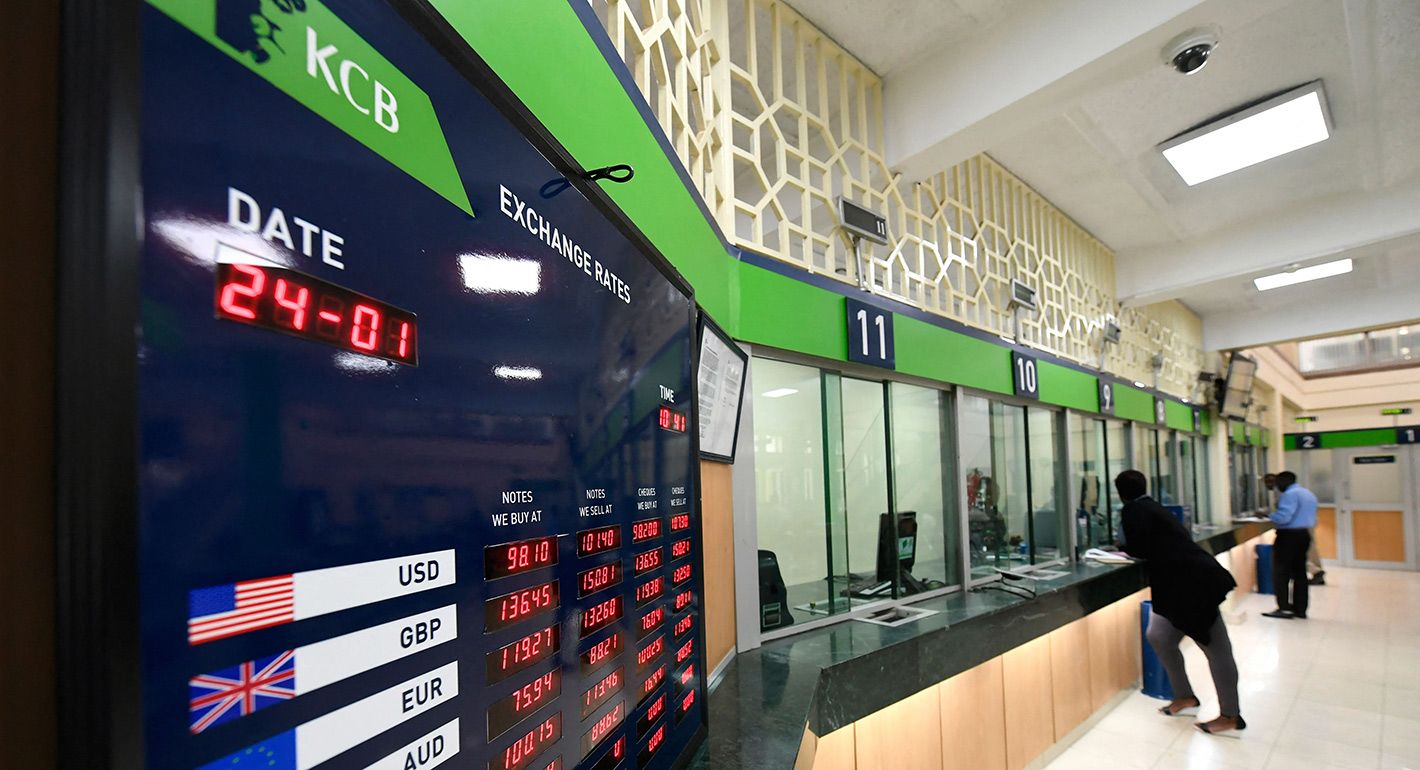
The realities of the global financial system make it nigh impossible for African governments to deliver employment and growth amid social and political instability and when financing is needed to transition away from fossil fuels.
Ann Pettifor
program
The world economy is in upheaval, with nations debating how best to govern international trade, global finance and development, the international monetary system, global migration, and the transition to a post-carbon future. Our team fosters North-South dialogue on reimagined rules and institutions of global economic governance capable of delivering equitable, inclusive, and sustainable growth and providing global public goods.
Carnegie’s Global Order and Institutions Program identifies promising new multilateral initiatives and frameworks to realize a more peaceful, prosperous, just, and sustainable world. That mission has never been more important, or more challenging. Geopolitical competition, U.S. retrenchment, populist nationalism, economic inequality, technological innovation, and a planetary ecological emergency are testing established rules and institutions of international order and complicating collective responses to shared global threats. Our mission is to design global solutions to global problems.
With global order in flux, the future of international cooperation depends on the choices governments make. We shape global policymaking by designing novel but practical approaches to collective action that reflect the rise of new powers and the decline of old ones, bridge divides between global North and South, and leverage the capabilities of non-state actors in solving transnational challenges. Our vision is of a world in which peace prevails, international law is respected, fundamental rights are protected, the global economy delivers for all, and humanity lives in balance with nature.

The Carnegie Working Group on Reimagining Global Economic Governance convenes thought leaders and policymakers from around the world to foster a new narrative for global economic governance and generate tangible policy reforms to usher in the post-neoliberal era. Through in-person and virtual conferences, with a special focus on North-South dialogue, as well as the publication of research and the production of policy proposals, the project aims to generate a new approach to political economy.
The realities of the global financial system make it nigh impossible for African governments to deliver employment and growth amid social and political instability and when financing is needed to transition away from fossil fuels.
Ann Pettifor
Global cities have played a central role in the era of neoliberal economic governance, but there are several signs that this role is under strain or perhaps even coming to an end.
Ian Klaus, Simon Curtis
The debt limits these governments’ abilities to invest in their futures.
David McNair