Commentary
The deal is extremely fragile, but there’s some reason for hope.
Zaha Hassan

program
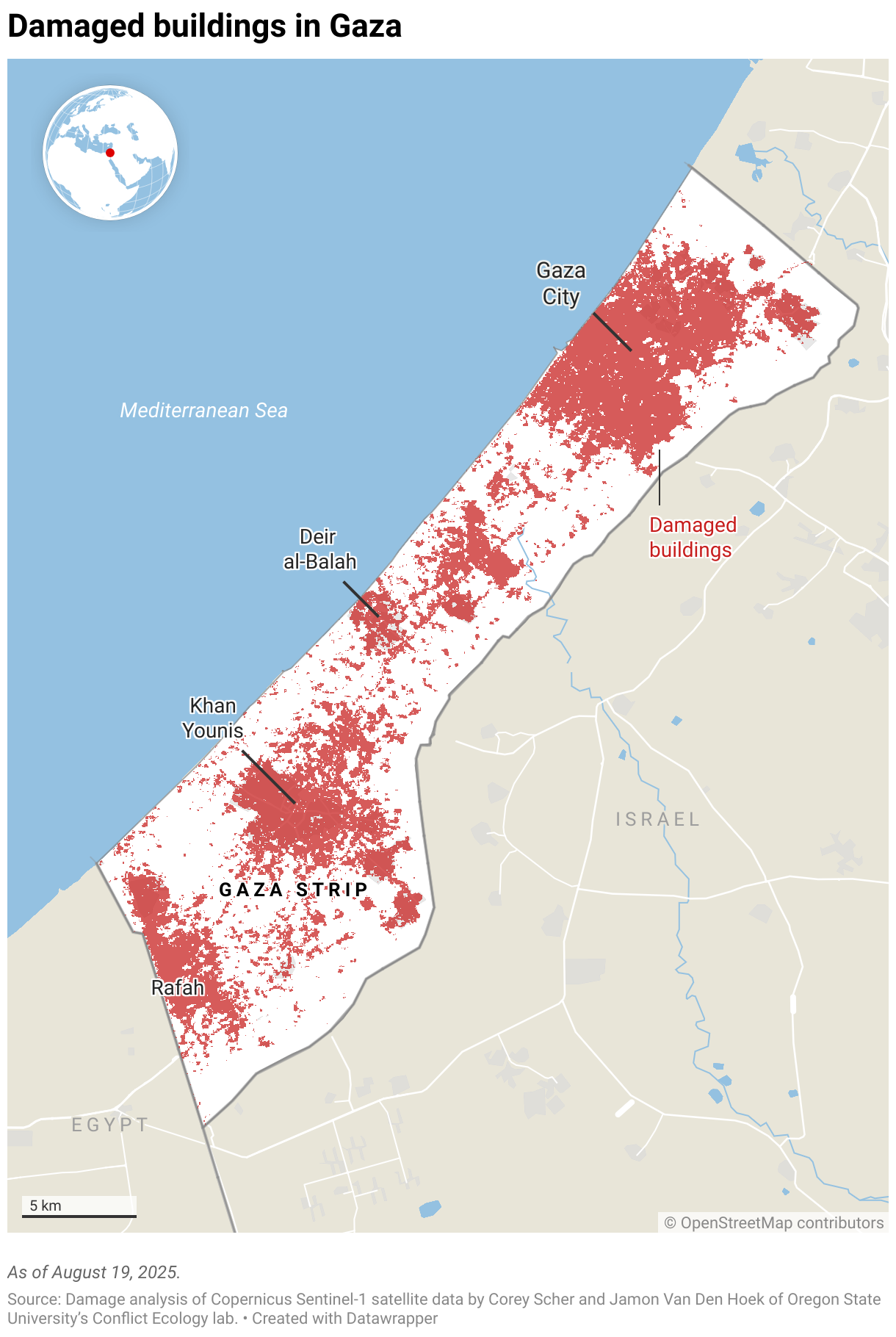
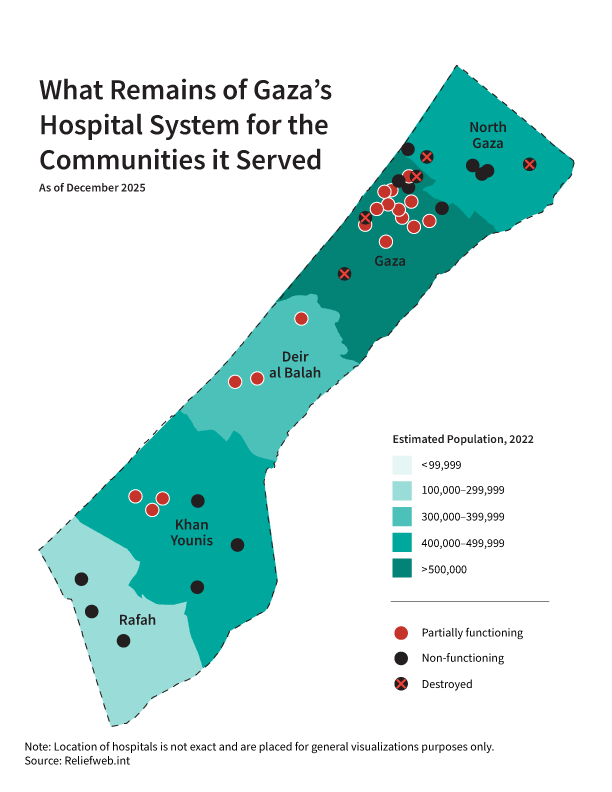
As the devastating Gaza war moves cautiously toward a permanent ceasefire, this collection of short essays examine what steps must be taken to address the humanitarian catastrophe and begin to meet the urgent needs of the enclave’s nearly 2 million survivors. The authors detail how access to basic goods, medical care, support for children, and exit permits for health and educational needs can begin to lay the groundwork for longer-term recovery and rebuilding.
The Middle East Program in Washington combines in-depth regional knowledge with incisive comparative analysis to provide deeply informed recommendations. With expertise in the Gulf, North Africa, Iran, and Israel/Palestine, we examine crosscutting themes of political, economic, and social change in both English and Arabic.
The deal is extremely fragile, but there’s some reason for hope.

Zaha Hassan
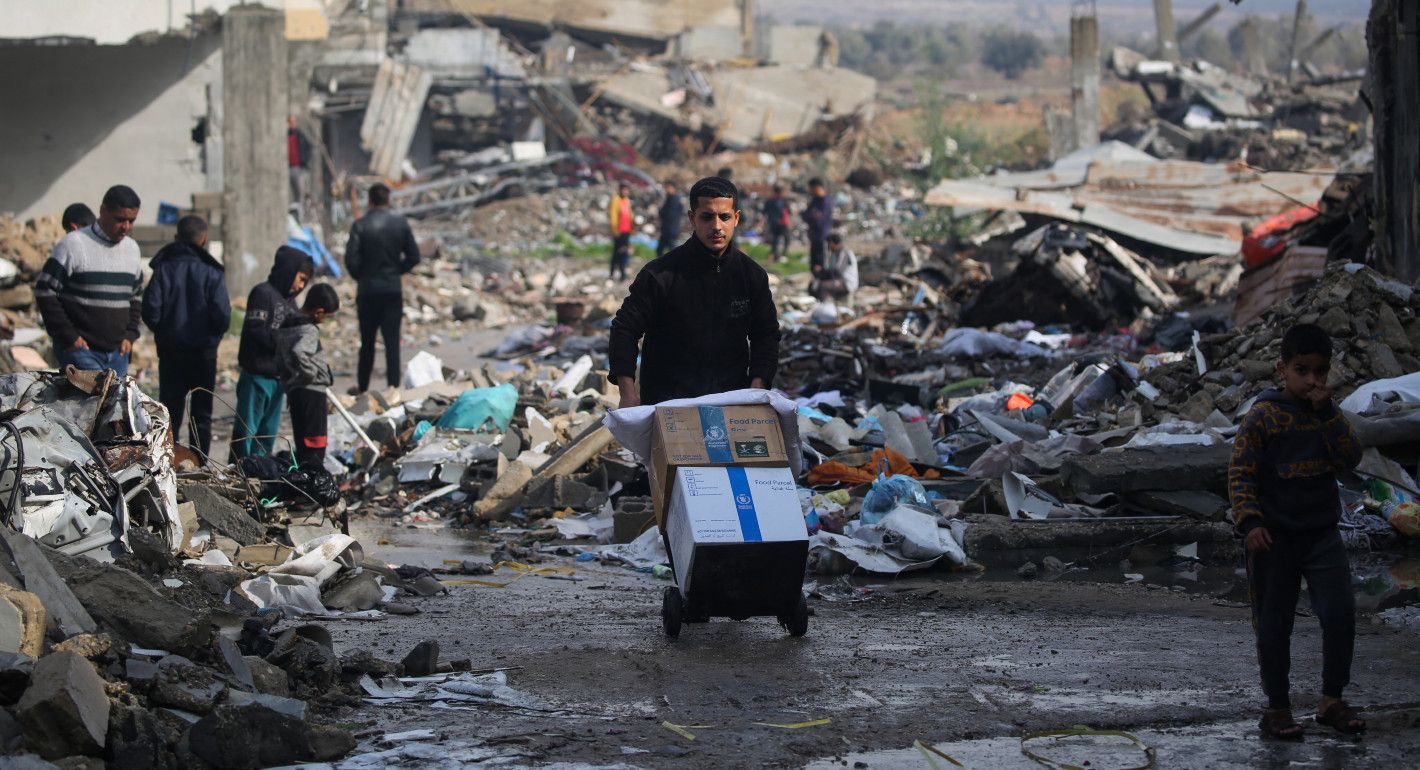
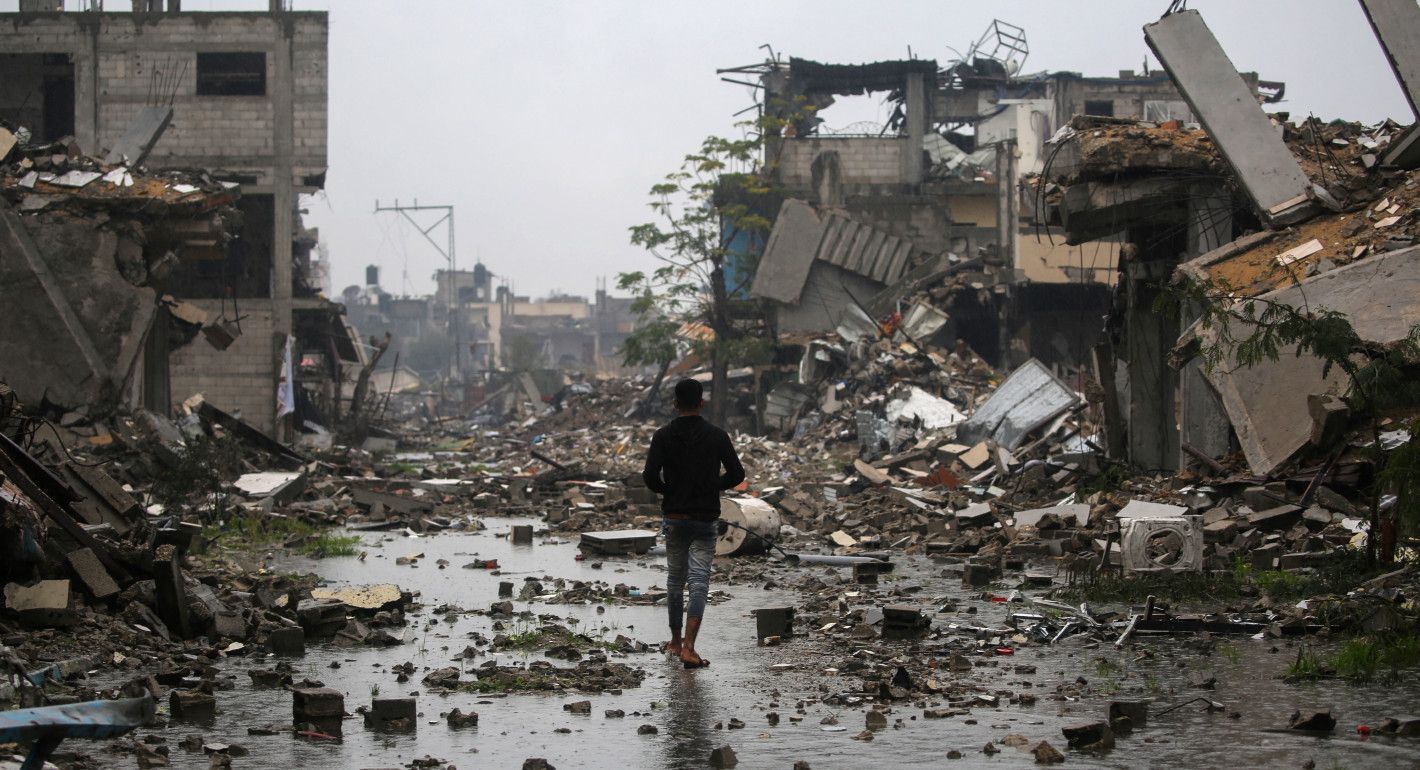
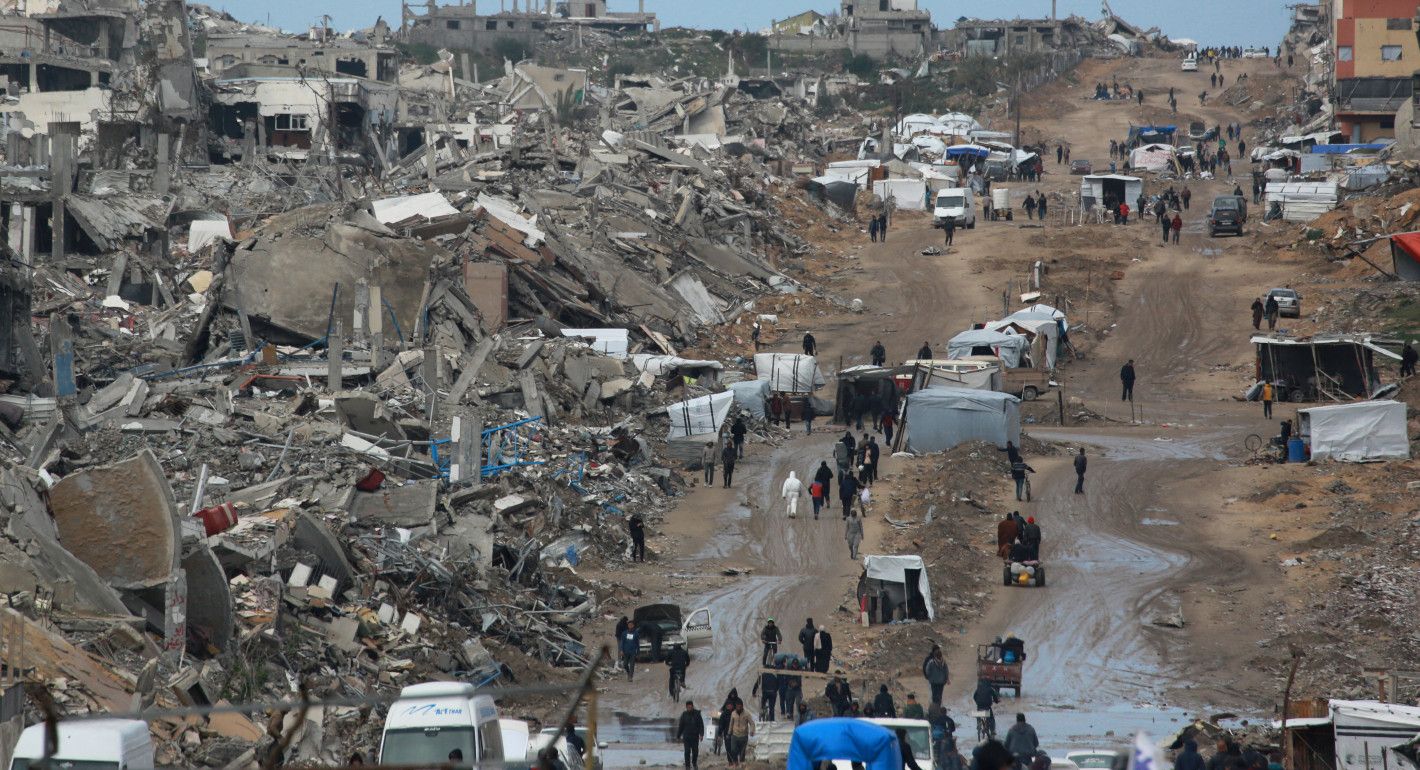
The strain on Gaza’s food systems, healthcare, and housing underscores the importance of unimpeded aid delivery and the lifting of unduly restrictive measures.
Sean Carroll
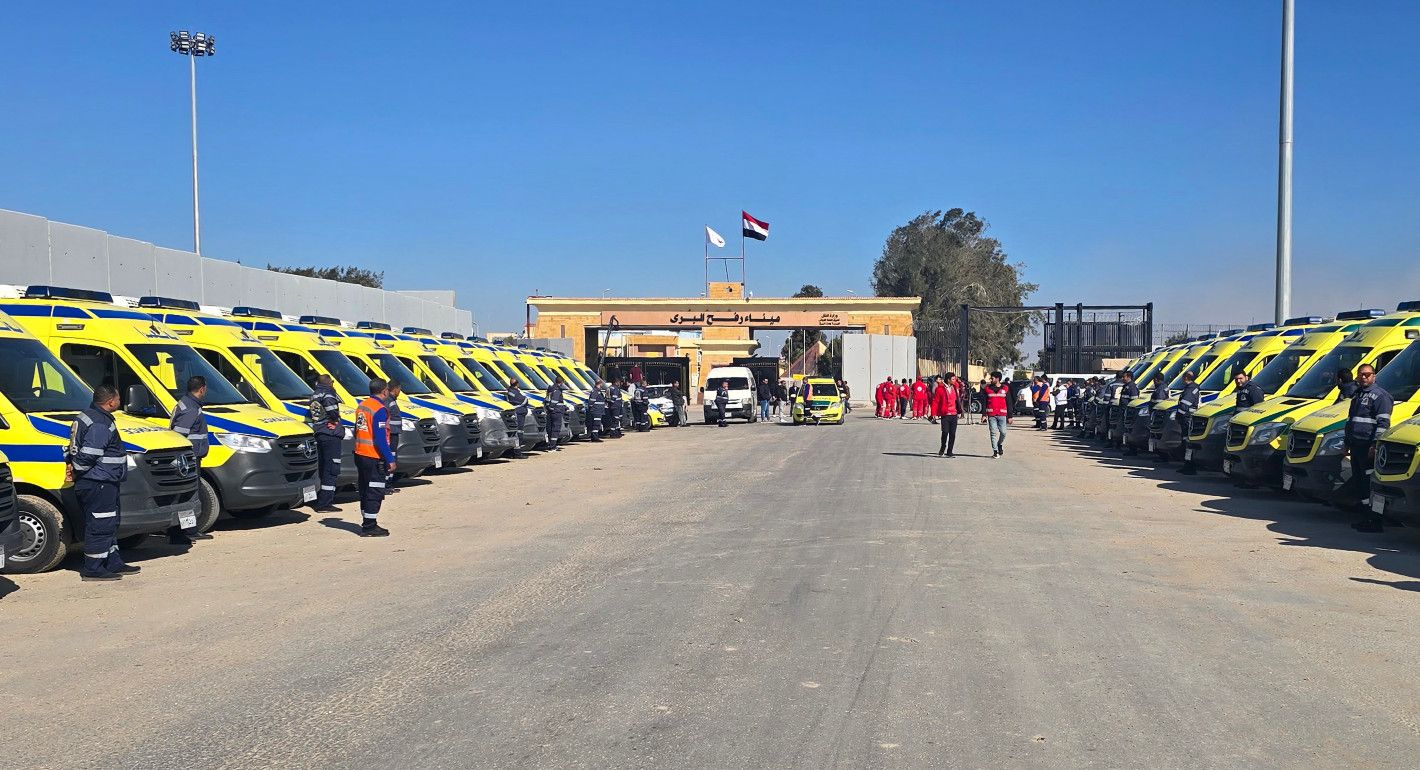
Reopening the Rafah crossing is only one of the critical logistics elements tied to the pause in hostilities.
Tania Hary
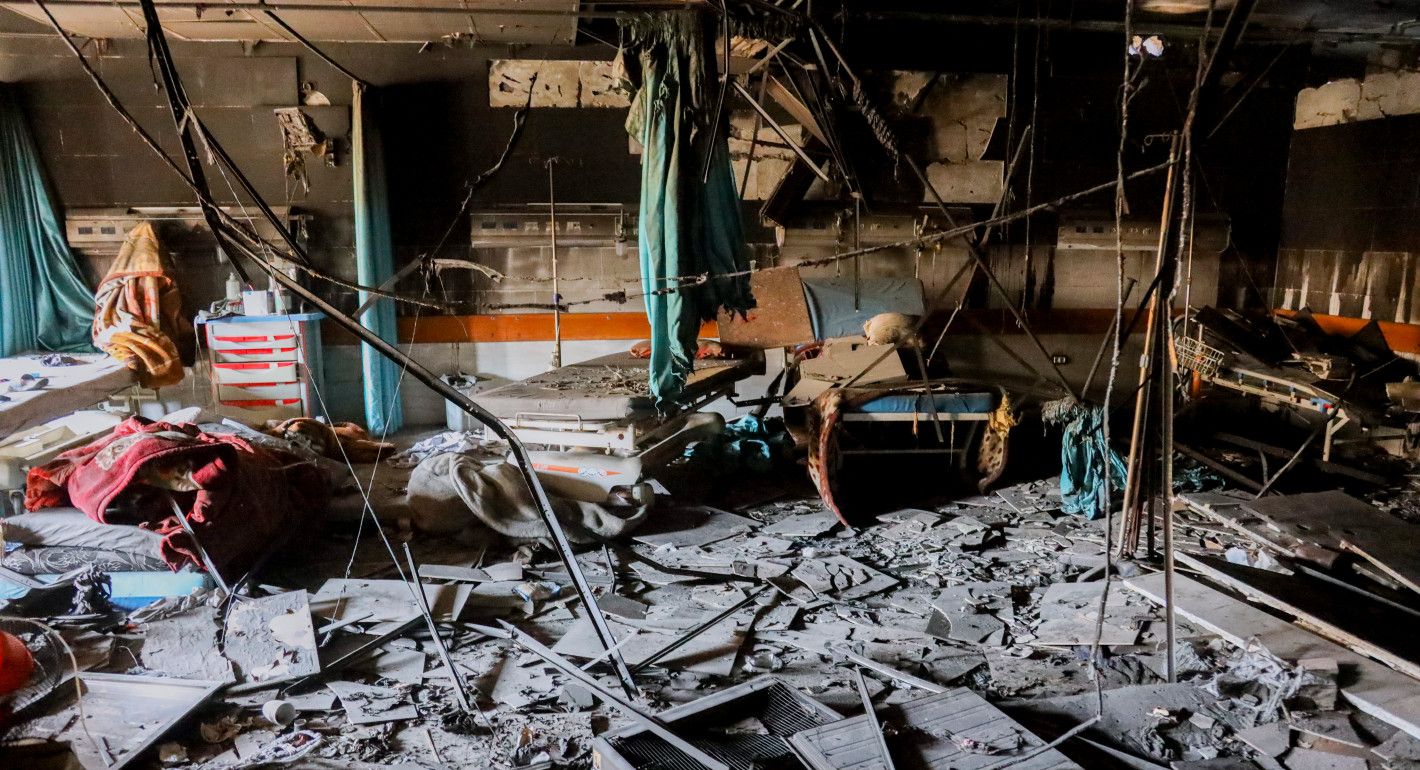
Healthcare delivery must be scaled up to meet demand, both inside Gaza and by transporting some patients elsewhere.
Sara Halimah, Salmaan Keshavjee
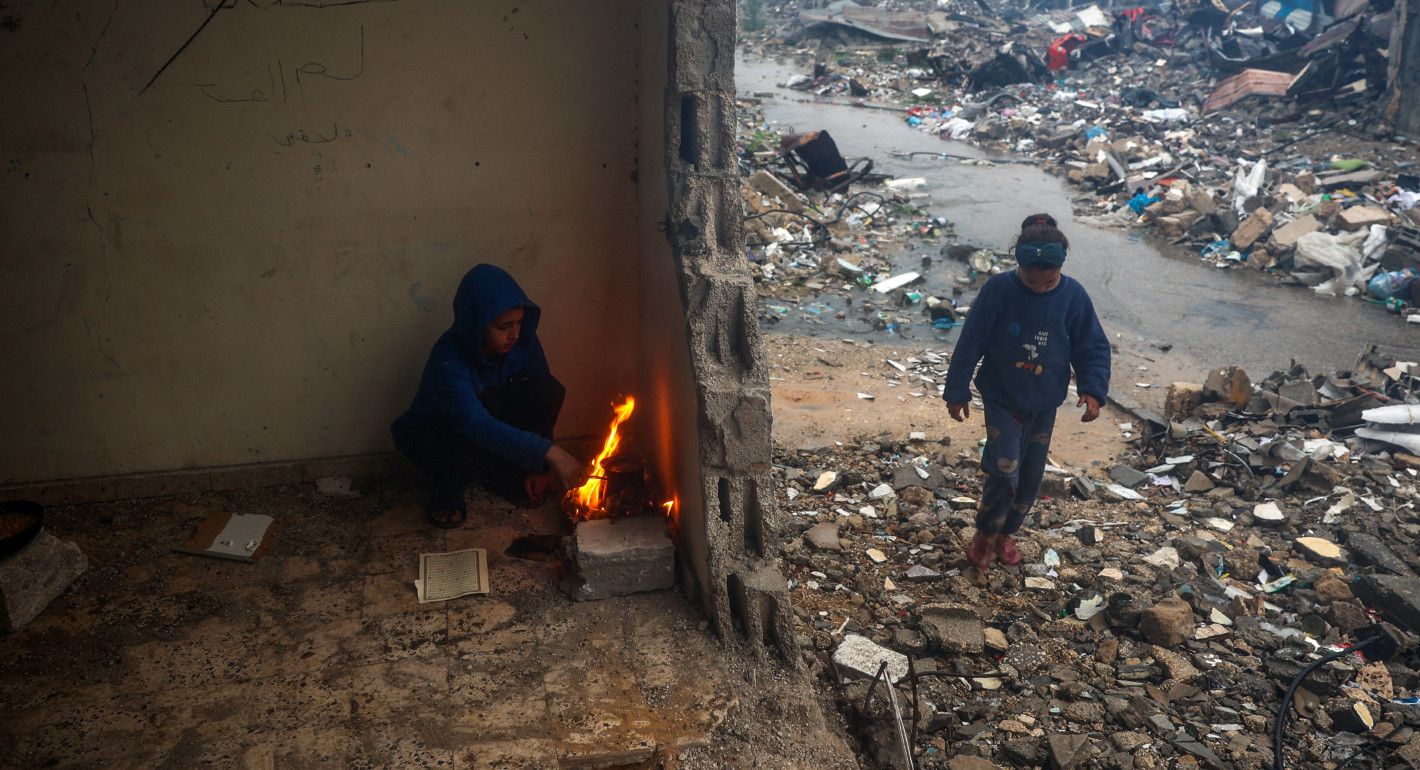
It’s a moment of hope and peril.
Janti Soeripto
Whether Trump will be able to keep his campaign trail promises to end the Israel-Hamas war is an open question.

Katherine Wilkens